A first edition raced in pairs
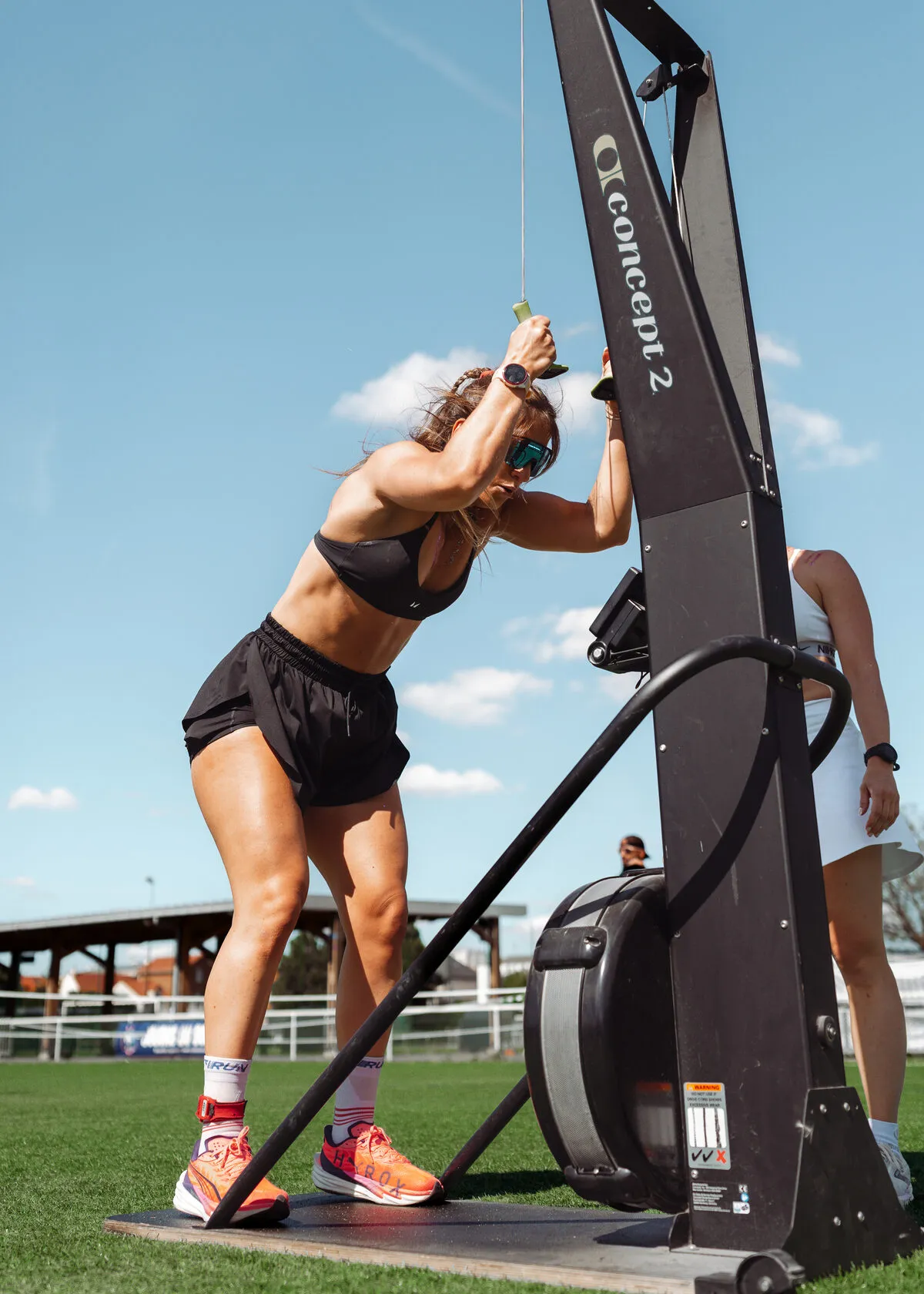
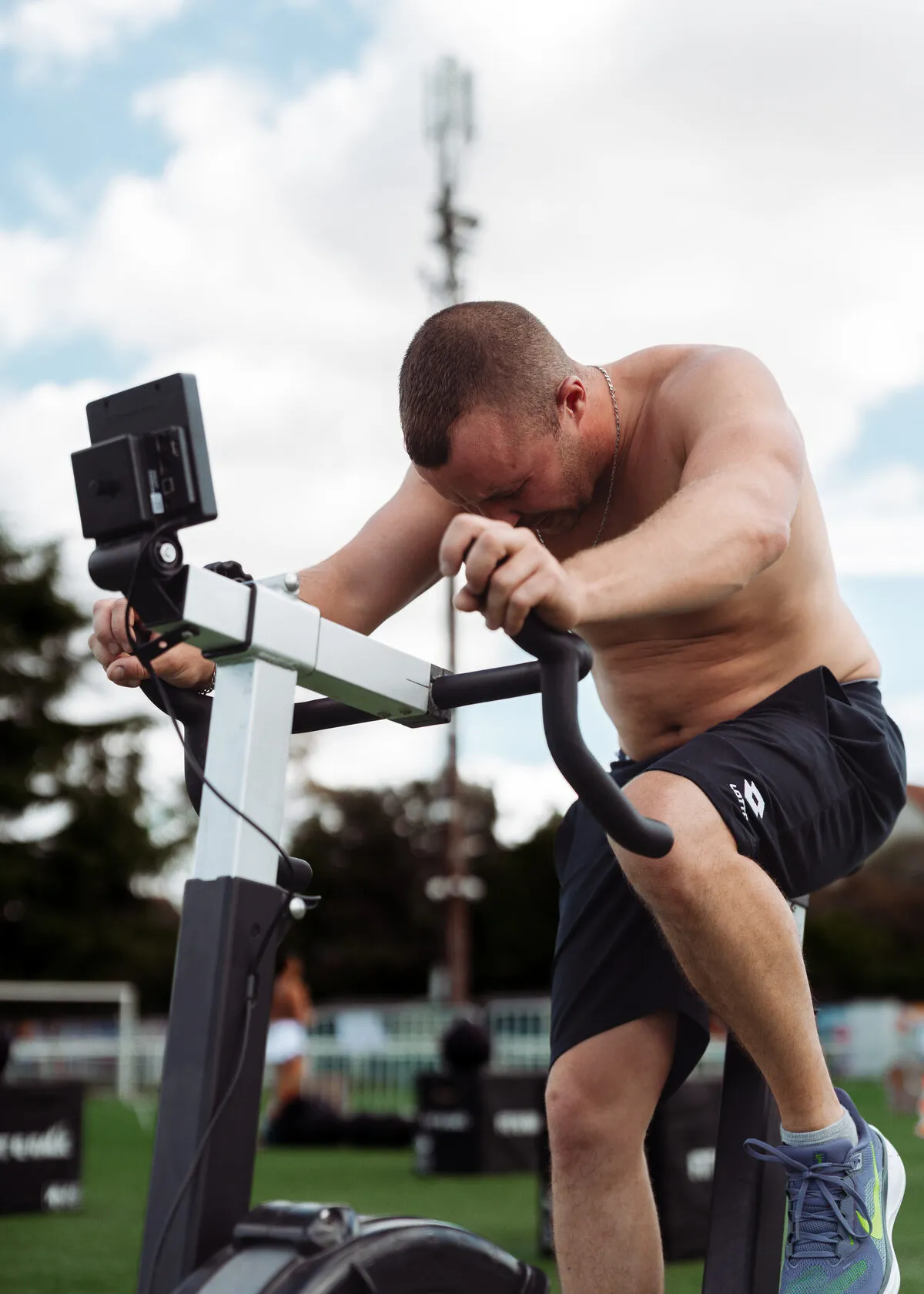
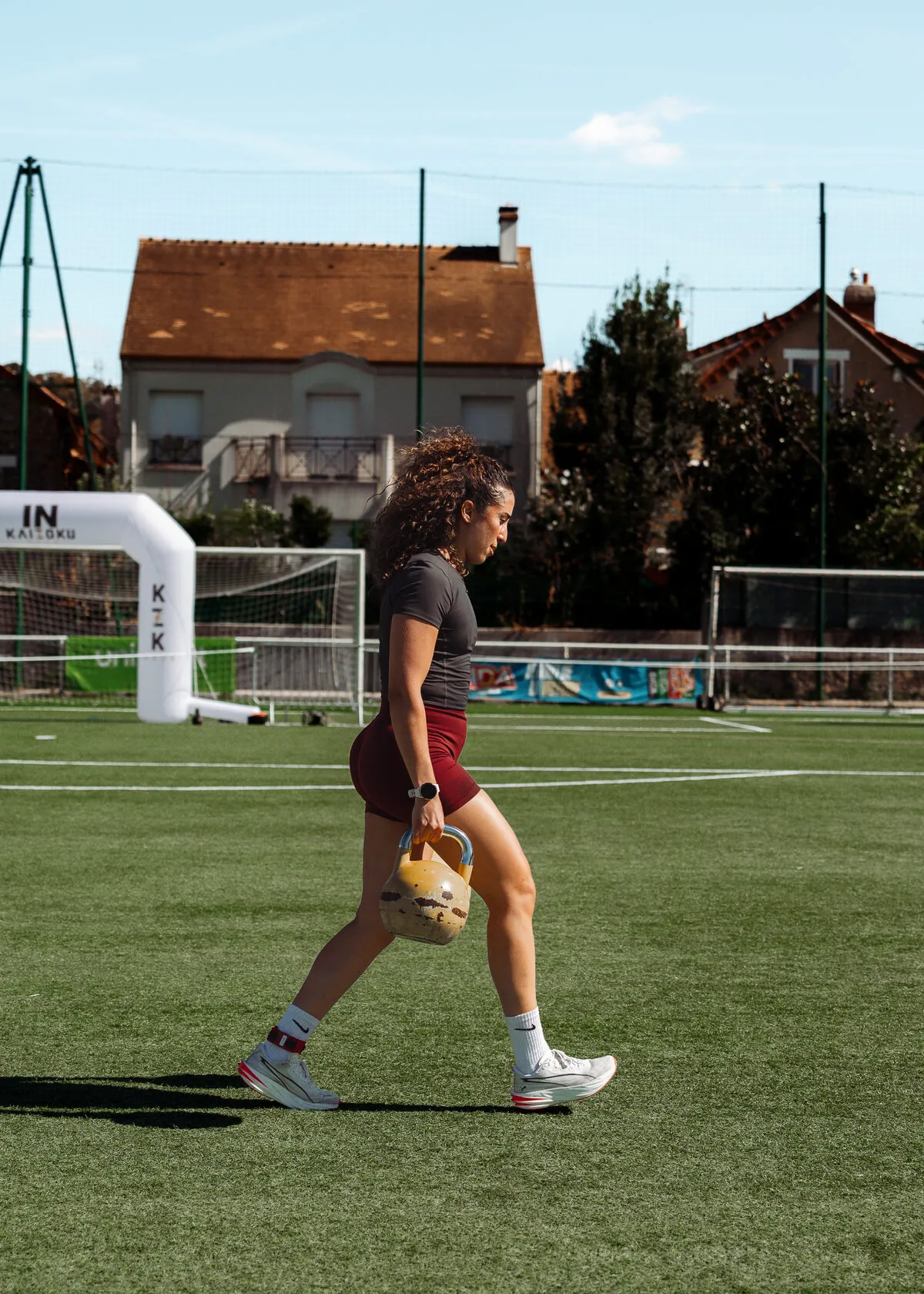
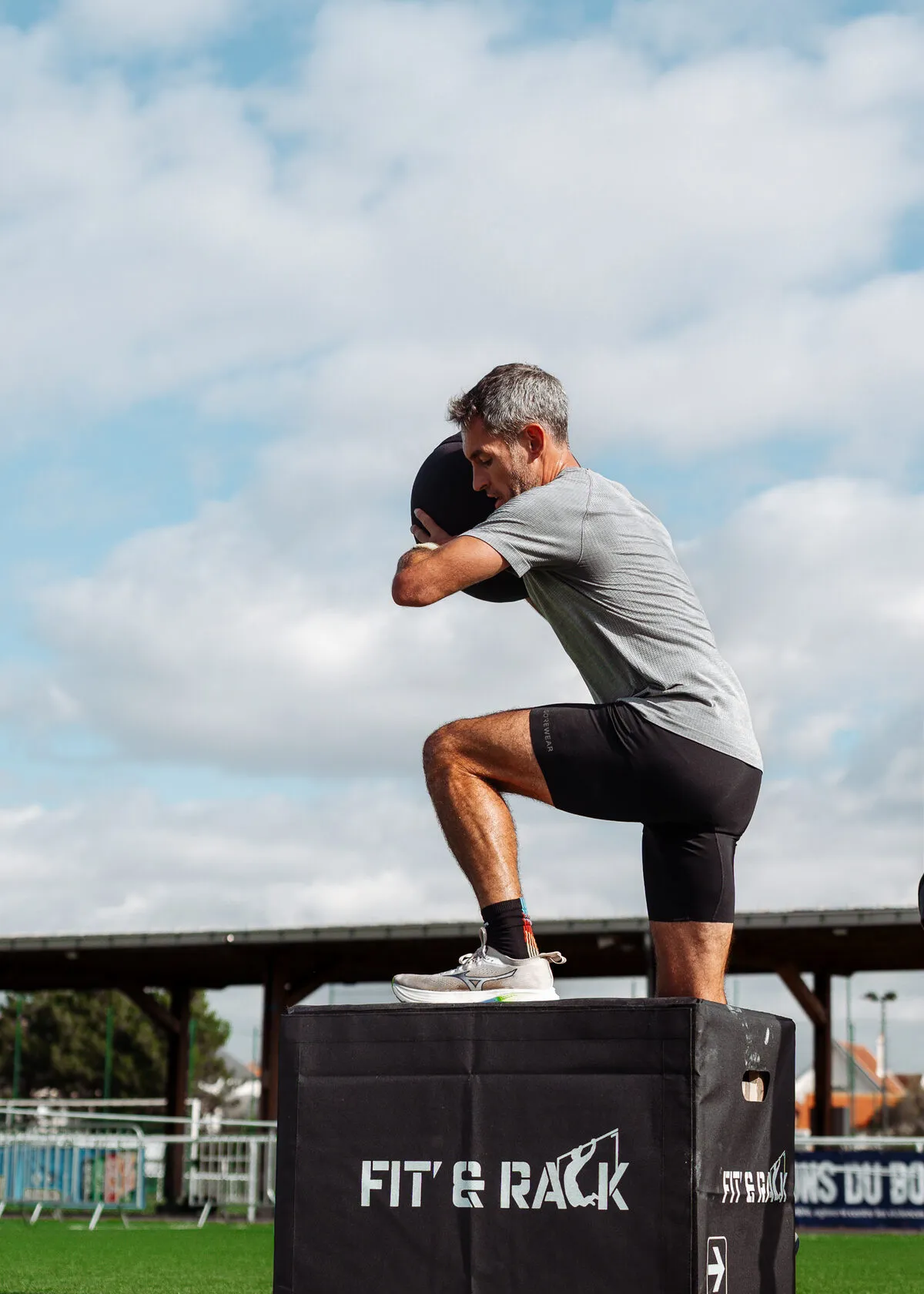
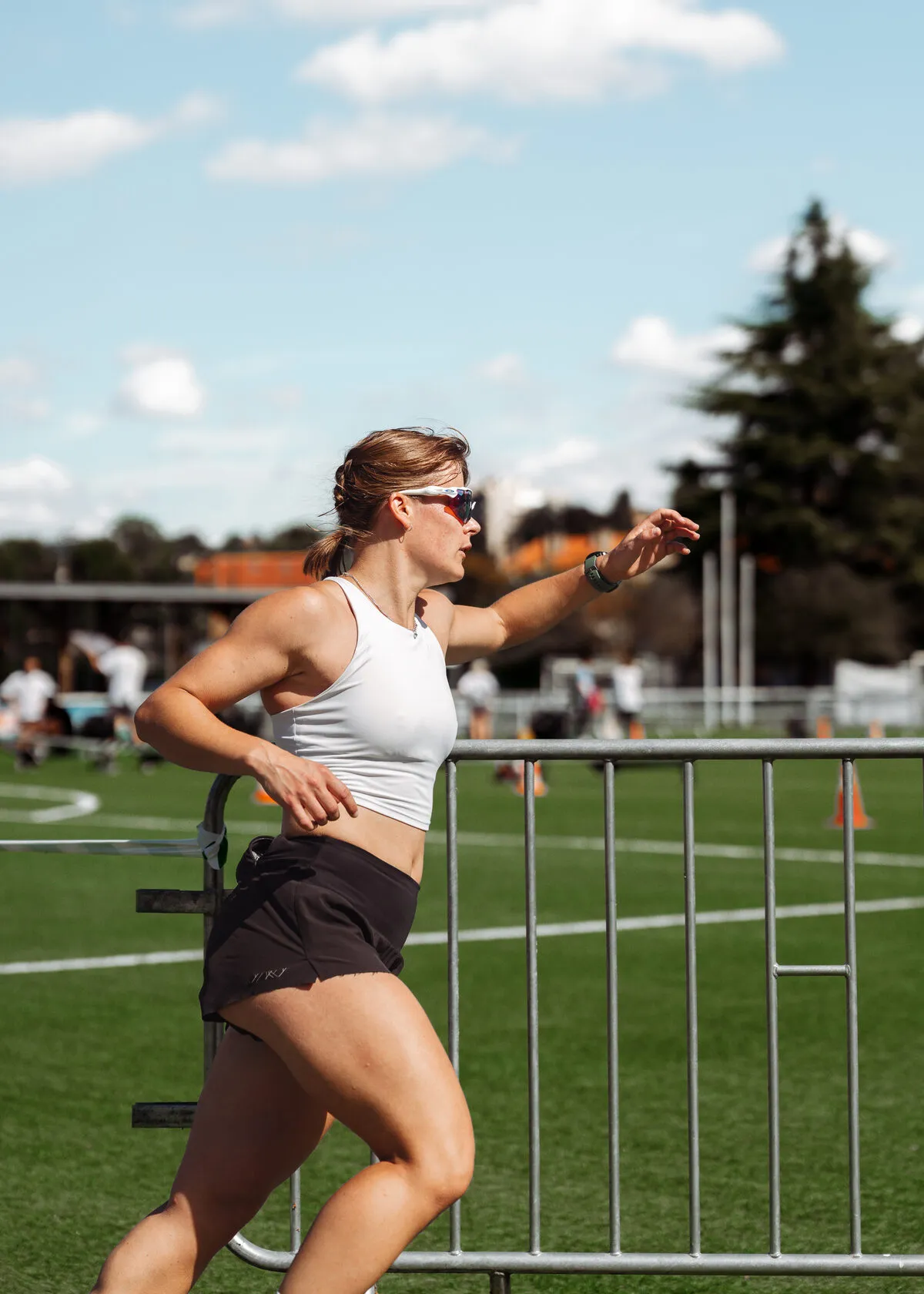
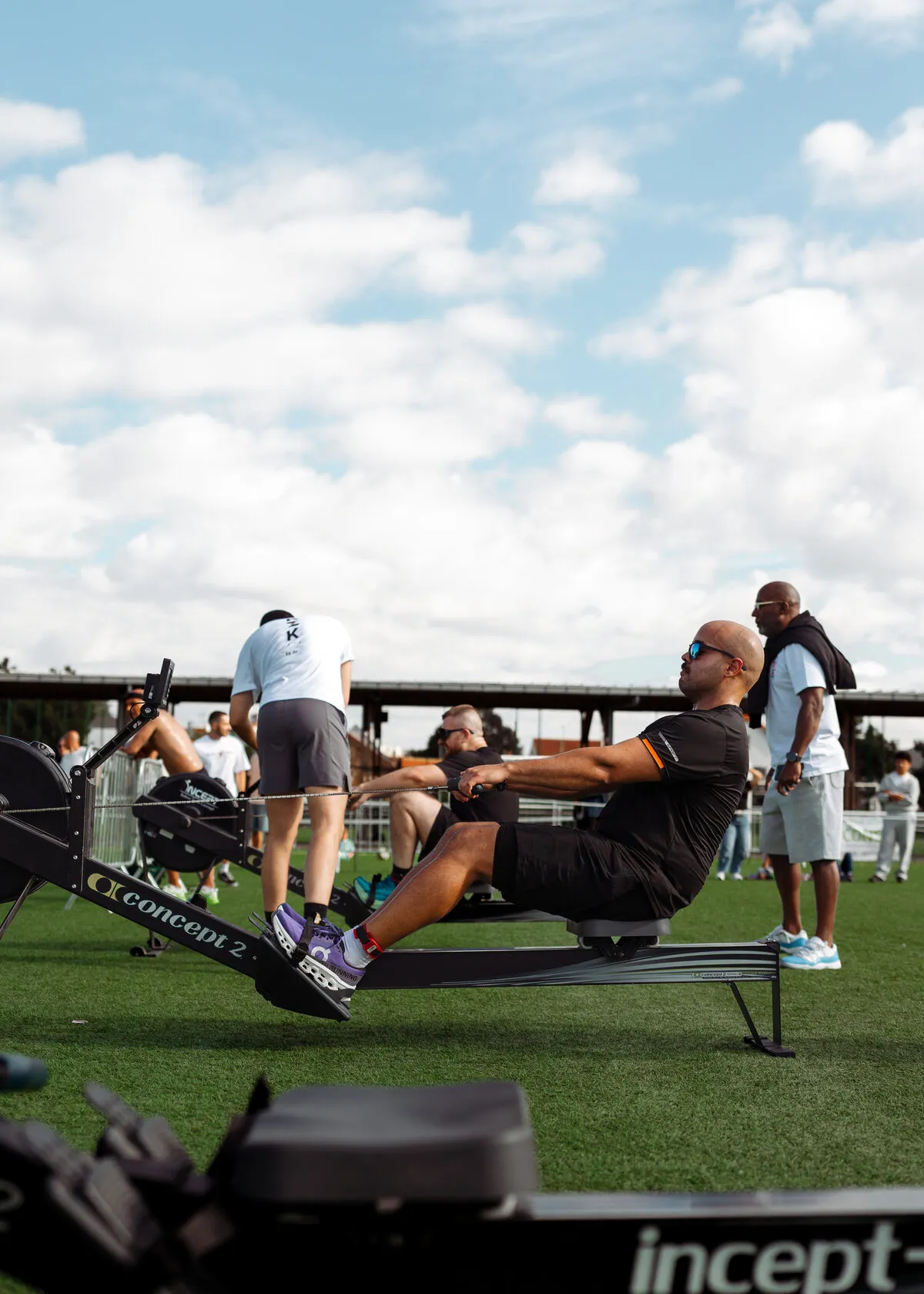
Kaizoku Race is the hybrid race run by CrossFit Kaizoku, a box in Bourg-la-Reine, just south of Paris. Its first edition took place on Saturday 12 September 2026 at the Charpentier stadium, in pairs only, across three divisions, Double Men, Double Women and Double Mixed. The course alternated running with nine stations, SkiErg, rower, BikeErg, farmer carry, box step over, burpee broad jump, ground to overhead, sandbag lunges and wall ball, with every rep validated by a judge. Everything ran on Throwdown, from registration to the final leaderboard, and the figures in this article are read straight out of the platform.
80 pairs in two months
Registration opened in mid July, two months before the race. 78 pairs signed up and paid online, 2 were added by hand by the organisers. The event's public page was viewed more than 4,100 times before race day.
| Division | Pairs registered |
|---|---|
| Double Men | 30 |
| Double Mixed | 28 |
| Double Women | 22 |
Loads by division
| Equipment | Double Men | Double Mixed | Double Women |
|---|---|---|---|
| Sandbag | 20 kg | 20 kg | 10 kg |
| Plate | 20 kg | 15 kg | 10 kg |
| Kettlebell | 24 kg | 24 kg | 16 kg |
| Box step over | 60 cm with a 9 kg ball | 60 cm with a 9 kg ball | 50 cm with a 6 kg ball |
| Wall ball | 9 kg | 6 kg | 4 kg |
One division after another
The schedule fitted into one day. The men's pairs started in the morning from 9.30 to 11 am, the mixed pairs from 11.30 am to 1.30 pm, the women's pairs from 2 pm, with fifteen minutes between two waves and a longer break between two divisions. The last team crossed the line at 4.38 pm. The wave schedule was published, and every athlete could see their wave time on their phone. Check-in opened at 8.36 am and 158 of the 160 athletes were checked in. That is where each pair received its transponder.
Two sensors, a finish line and lap control
The first sensor, on the finish line, stops a pair's clock the moment its transponder crosses, and the leaderboard updates straight away, online and on the athletes' phones. The second sat on the course as a lap control point. Every pair had to cross it 17 times during its race, and each missed crossing added 3 minutes to its time.
Over the day, that second sensor read 1,500 crossings. All 77 ranked pairs had their 17 crossings, so no penalty was applied. That is the whole point of lap control, checking that every team covered the full course without asking a volunteer to count laps by hand.
50 transponders for 80 pairs
It did not take one transponder per registered team. With 4 pairs per wave and a start every fifteen minutes, never more than 18 pairs were racing at once, and a transponder handed back at the finish could go out again with a pair from a later wave. A timing pack is therefore sized on the number of teams on the course at the same time, not on the number of entries. The full calculation is in the guide to timing a hybrid race with chips.
The times of the day
The fastest pair completed the course in 48 minutes and 47 seconds, in Double Men, only 56 seconds ahead of the second. Median times give a better feel for the format to anyone preparing a first hybrid race, just under an hour for the men, just over an hour for the mixed and women's pairs.
| Division | Pairs ranked | Best time | Median time |
|---|---|---|---|
| Double Men | 29 | 48 min 47 s | 57 min 26 s |
| Double Mixed | 28 | 49 min 19 s | 1 h 07 min 48 s |
| Double Women | 20 | 53 min 56 s | 1 h 08 min 35 s |
38 volunteers on the ground
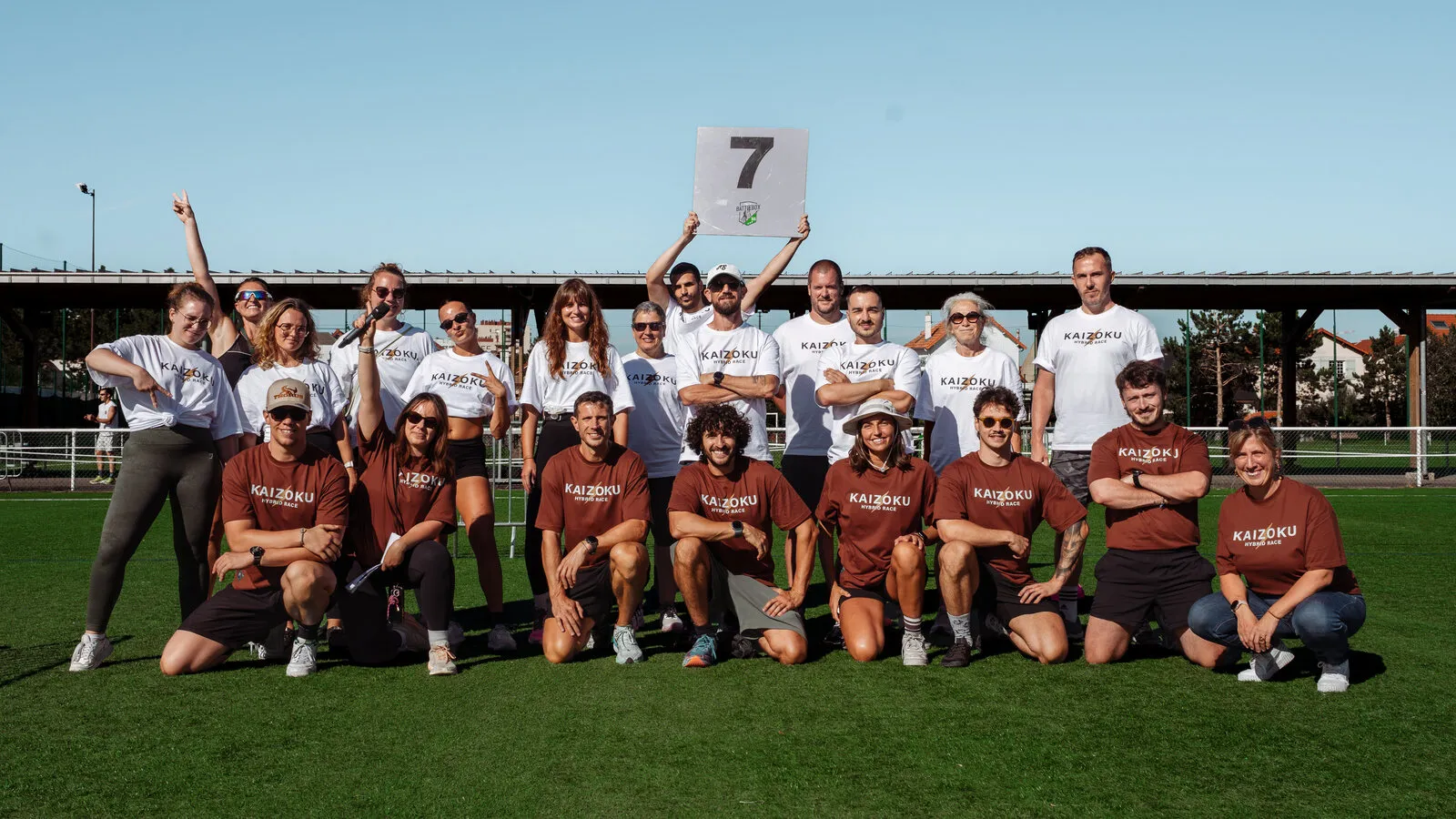
Behind the figures, 38 volunteers were signed up for the competition, judges included. They are the ones, with the CrossFit Kaizoku team, in the photo at the top of this article.
Frequently asked
- The pack rents for 600 € for the weekend, Throwdown ticketing included, with 40 transponders included. Each extra transponder costs 3 €, and a second sensor for lap control costs 600 €.
- It counts each team's crossings at one point on the course. The organiser sets how many crossings are expected and the penalty for each missed one, and the ranked time takes it into account on its own. At Kaizoku Race, 17 crossings were expected, with a 3 minute penalty for each one missed.
- As many as there are teams on the course at the same time, plus a margin. For 80 pairs starting in waves of 4 every 15 minutes, 50 transponders were more than enough.
- Yes. The chip gives the time and checks the crossings, the judges validate the reps at each station. At Kaizoku Race, every movement was validated by a judge against the competition's standards.